Open-cell and closed-cell foam for the ceilings, frame walls, additions, and crawl spaces of Santa Fe homes, from older adobes to new Pueblo Revival builds, in town and out to Agua Fria, Cañada de los Alamos, and Lamy.
Insulating Santa Fe houses that were built without an attic
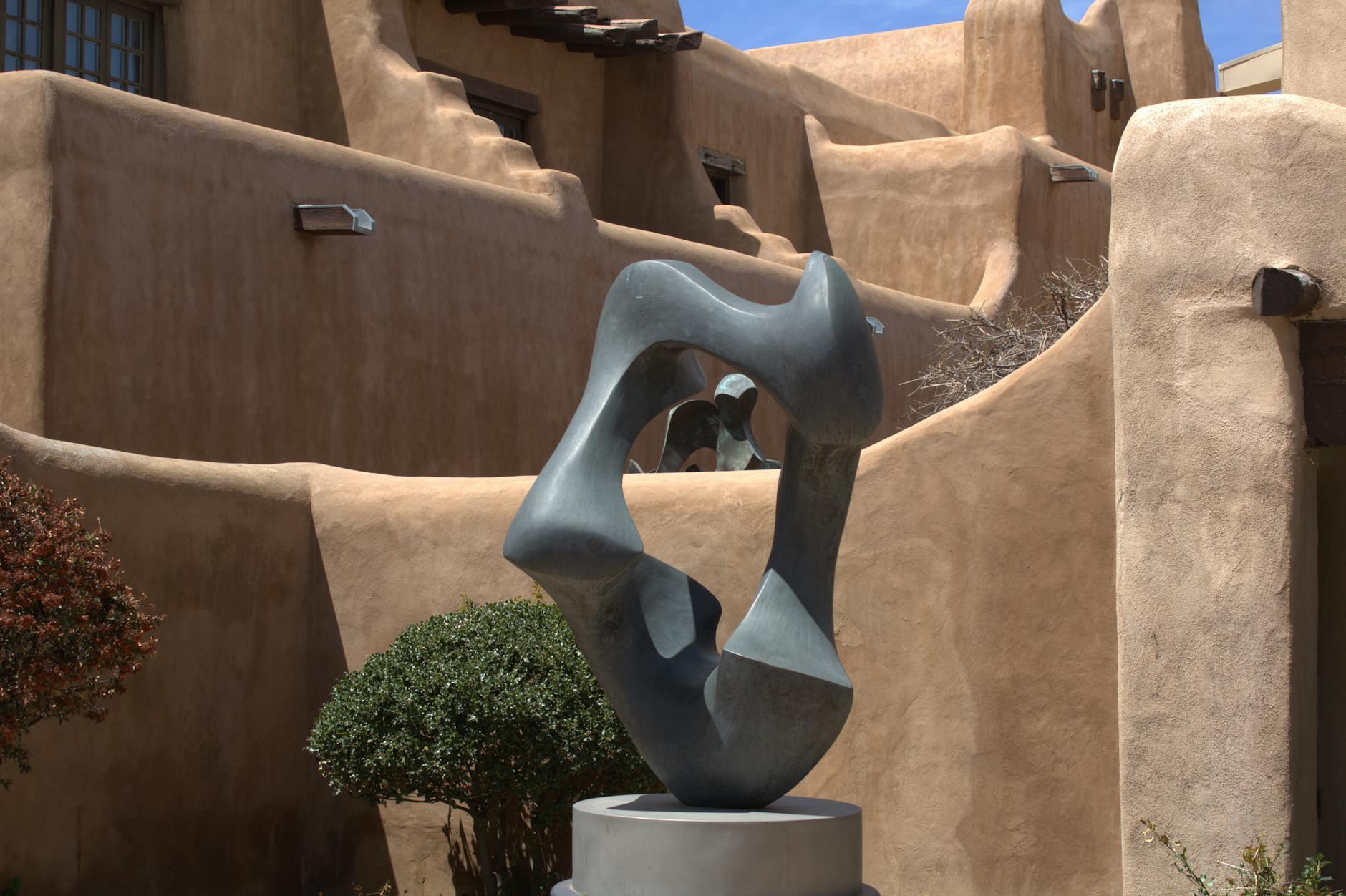
A large share of Santa Fe houses follow the Pueblo Revival or Territorial look, and that means no attic you can stand up in. Between the ceiling and the roof there is a narrow cavity about as deep as the joists, often holding thin, settled insulation with gaps at the edges. At 7,000 feet the nights run cold for much of the year, and the heat you pay for rises right to that thin layer. The walls vary too. True adobe is solid, but plenty of houses that look like adobe are wood frame under the stucco, and an older adobe may have a frame addition on one side.
In a cavity that shallow, every inch has to count. Closed-cell foam is denser, blocks moisture, and insulates more per inch than open-cell, so it’s the usual pick for a ceiling cavity. Open-cell costs less per inch and does well where there is depth for it, like frame walls and the occasional house with a real attic. On new construction we spray before the ceilings and walls close up. In a finished house it comes down to access: a hatch, an unfinished room, or a remodel that already has the ceiling open. We check access when we come out and say plainly what we can reach and which foam goes where.
Typical home insulation jobs in Santa Fe
Closed-cell foam in the shallow ceiling cavity of Pueblo Revival homes
New Territorial and Pueblo-style houses sprayed before drywall goes up
Frame additions built onto older adobe houses, and detached casitas
Ceilings opened up during a remodel, foamed before they close again
Crawl spaces and rim joists under houses with wood floors
What we plan around in Santa Fe
No walk-in attic in most Pueblo and Territorial houses, so access sets the plan
Shallow joist cavities where closed-cell gets the most from each inch
Adobe walls with no cavity to fill, next to frame walls that have one
Cold nights at 7,000 feet, when warm air escapes through ceiling gaps
How it works
Step 1
Walk the house
We look at the attic, walls, and crawl space and recommend open-cell or closed-cell foam for each.
Step 2
Prep
Floors, windows, and anything nearby get covered, and the work area is ventilated.
Step 3
Spray
Foam goes on to the thickness in the estimate, sealing gaps as it expands.
Step 4
Check and clean up
We check coverage, clean up, and tell you when the space is ready to use again.
Also serving: Agua Fria, Tesuque, Cañada de los Alamos, La Cienega, La Cieneguilla, Eldorado, Ranchos de Santa Fe, Lamy.
Our work
Residential Spray Foam: examples of our work
See our work in other communities we serve. Each gallery names the town.
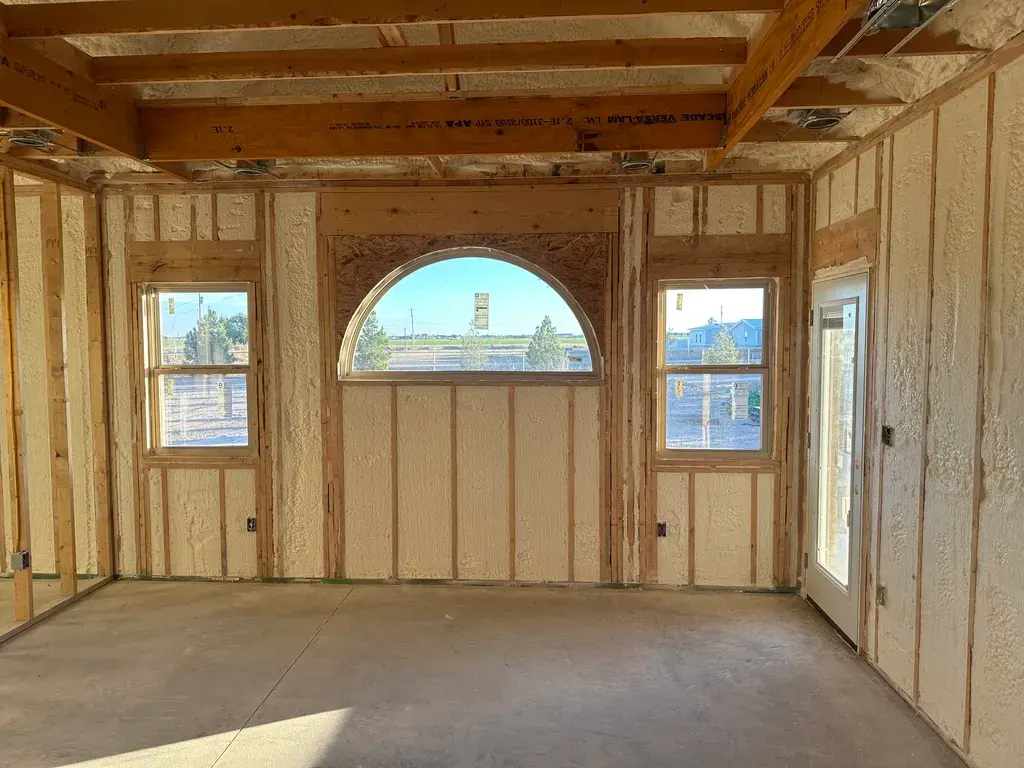
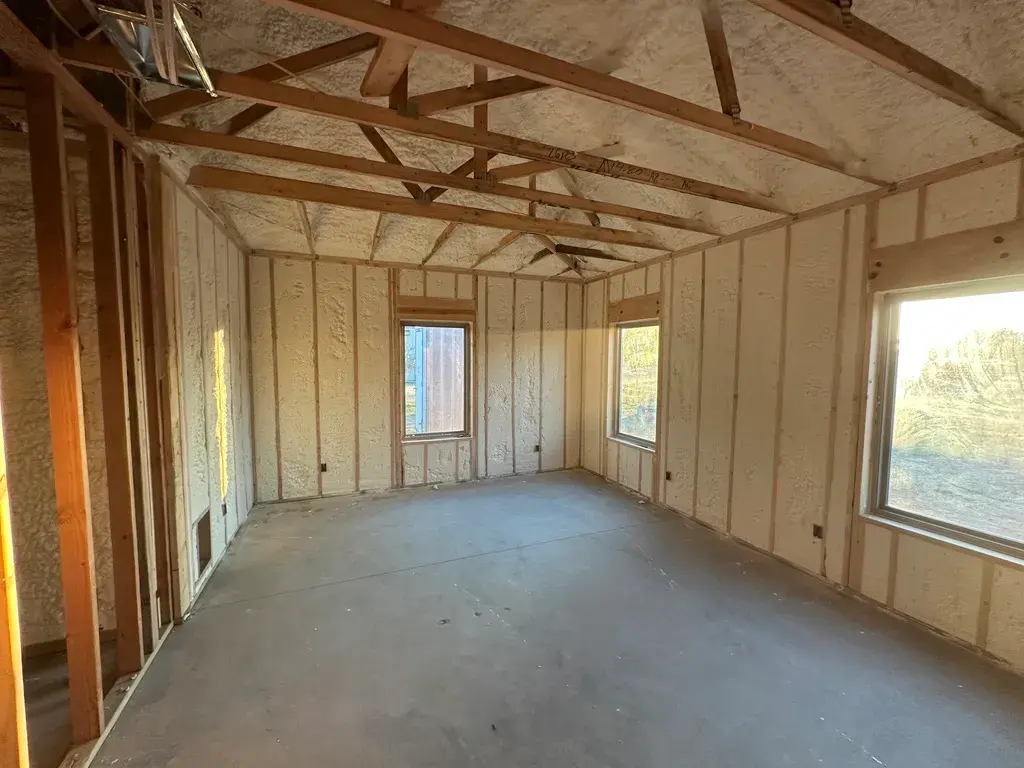
A new Carlsbad home with spray foam in the exterior walls and on the underside of the roof deck, so the attic and the ducts running through it are sealed in.
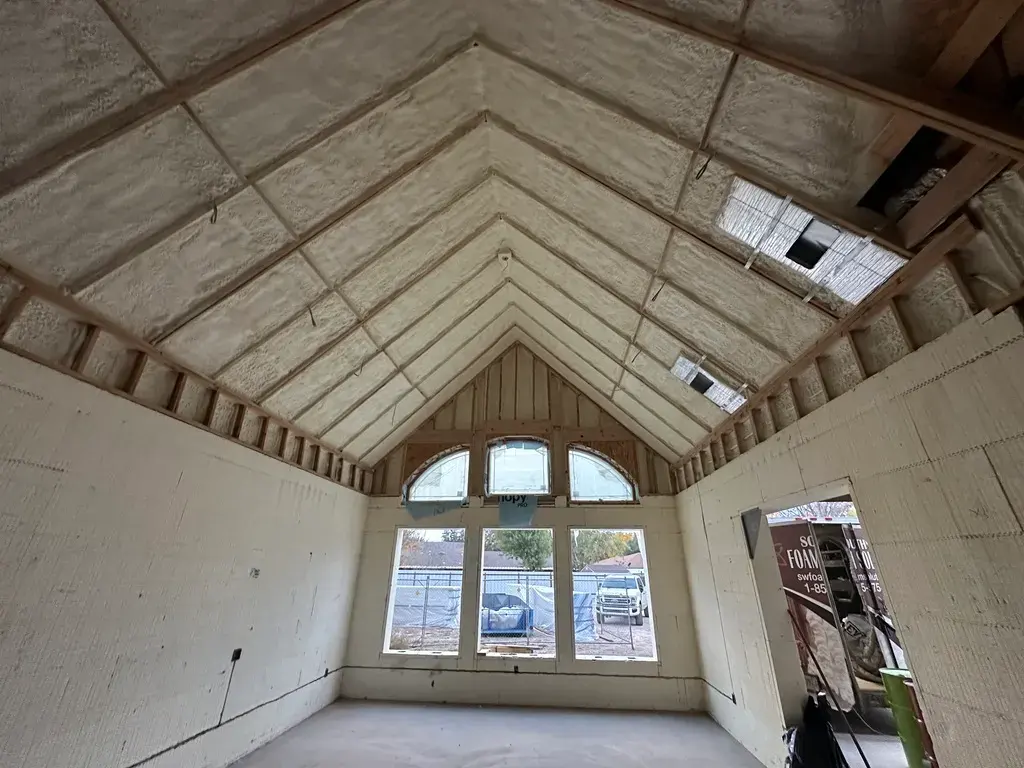
A new Artesia home with arched windows and vaulted rooms: foam in the exterior walls and on the roof deck brings the attic and ducts into the insulated space.
Residential Spray Foam in Santa Fe: common questions
Often, yes. In a Pueblo Revival or Territorial house, the cavity between the ceiling and the roof does the job of an attic, with far less room. It’s the same idea as attic insulation in a much tighter space. If we can get into it through a hatch, from an unfinished space, or while a ceiling is open for a remodel, closed-cell foam usually goes up against the underside. If the ceiling is finished and sealed off, spraying it isn’t practical, and we’ll say so when we look at it.
It depends on what is under the stucco. True adobe is solid mud brick all the way through, so there is no cavity to spray into. A lot of Santa Fe houses that look like adobe are wood frame, though, and older adobes sometimes have frame additions. Frame walls take foam well when they are open, in new construction or a gut remodel. Finished frame walls are harder to reach, and we’ll look at access on the visit.
Yes. Besides Santa Fe itself, we insulate homes in Eldorado, Lamy, Tesuque, Agua Fria, La Cieneguilla, Cañada de los Alamos, Ranchos de Santa Fe, and La Cienega. Out there, as in town, the answer comes down to how the house is built and how we can reach the spaces you want insulated. Send the address and a rough idea of the job to get started.
Need home insulation in Santa Fe?
Send the address, how old the house is if you know, and which rooms feel cold, and we’ll come out for a site visit.

 Carlsbad, NM